
Here, Hospitality Meets Conservation
Sustainable tourism and Hospitality
Sustainable tourism allows travelers to experience extraordinary destinations while ensuring that natural ecosystems are protected and local communities benefit directly. With our location situated at the edge of Kibale Forest National Park, this principle is not an add-on but part of our core identity and daily operations.
Where the Experience Happens
Chimpanzee trekking takes place in Kibale National Park, in western
Uganda. The main starting point is the Kanyanchu Visitor Centre, where
visitors are briefed before entering the forest with trained Uganda Wildlife
Authority rangers.
We have described our philosophy in three guiding words: Reciprocal. Ecological. Humane. These principles shape how we are built, how we operate, and how we engage with both nature and the surrounding communities.
A Lodge Built with Nature in Mind
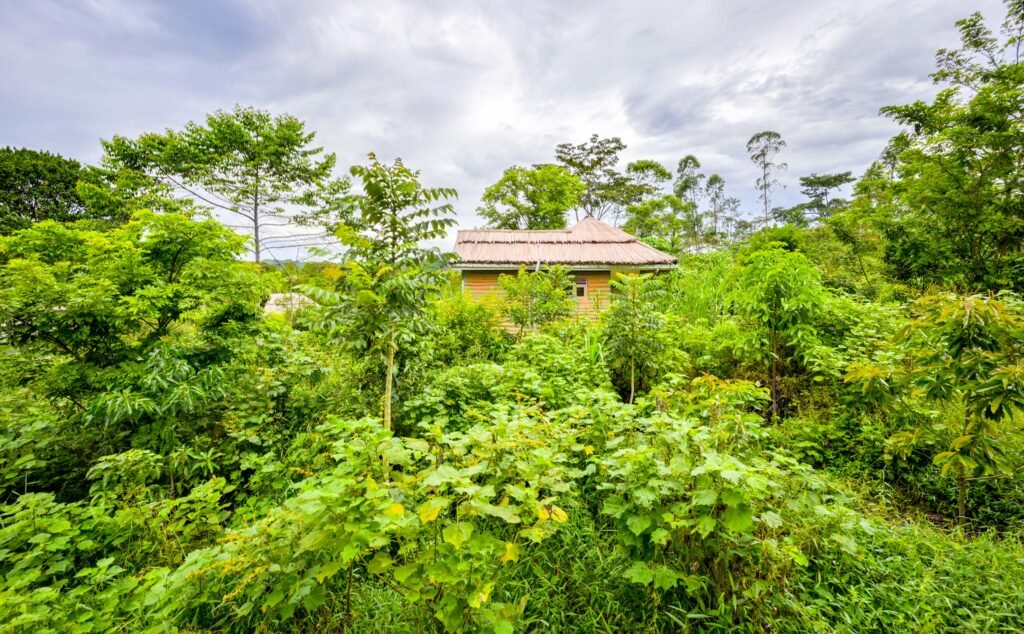
We are designed to exist in harmony within the environment. According to the our own approach, our cottages are constructed using locally sourced and renewable materials that blend into the natural forest setting rather than disrupt it. This design choice reduces environmental impact while maintaining comfort for guests.
Energy use is also guided by sustainability principles. We rely on solar power systems, including solar-heated water, reducing dependence on non-renewable energy sources. This ensures that essential guest comforts are maintained in a way that respects the fragile ecosystem of Kibale’s forest edge.
Our layout itself reflects a low-impact philosophy, allowing the surrounding vegetation, birdlife, and primate activity to remain undisturbed.
Local Produce at the Heart of the Dining Experience
Food prepared is closely tied to its sustainability mission. We recommend the use of locally sourced produce, much of it coming from nearby farms and its own cultivated garden spaces.
Meals are prepared to reflect both local Ugandan flavors and international cuisine, offering guests variety while maintaining a strong connection to the region’s agricultural systems. This approach supports local farmers and reduces the environmental cost associated with long-distance food transport.
By integrating our own garden produce into the kitchen, we strengthen our commitment to self-sufficiency and fresh, seasonal dining.
Supporting the Community
More strong emphasis is put on community involvement as part of its operational model. Our staff are primarily drawn from surrounding communities, ensuring that local people are directly involved in and benefit from tourism activities.
This approach supports employment, skills development, and long-term participation in conservation-based tourism. By integrating community members into hospitality roles, we strengthen the link between conservation efforts in Kibale Forest and the livelihoods of people living nearby.
Our philosophy highlights coexistence—ensuring that tourism does not exist separately from the community, but rather functions as a shared system of benefit and responsibility.
Conservation Through Everyday Experiences
Our location beside Kibale Forest National Park places it within one of Africa’s most important primate habitats. We priotize that guests are not just near nature—they are part of a living ecosystem.
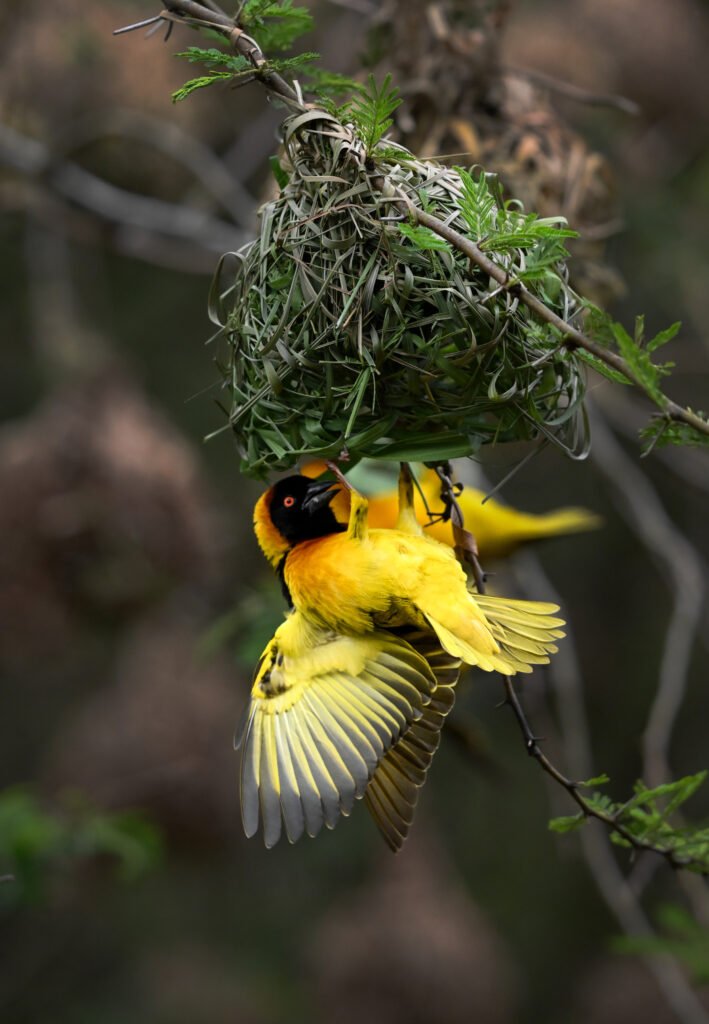
Chimpanzees, colobus monkeys, red-tailed monkeys, and a wide variety of bird species are part of the surrounding environment. We note that its natural setting, including indigenous fig trees, contributes to attracting wildlife such as chimpanzees into the broader area, offering guests a rare opportunity to observe wildlife in a natural, unforced setting.
Beyond passive observation, we integrate conservation awareness into guest experiences. Activities such as guided community walks, birding excursions, primate tracking support, and tree planting initiatives are designed to connect visitors with both the forest ecosystem and local conservation efforts.
These experiences are intended to deepen understanding of how tourism and conservation are interconnected in Kibale.
Sustainable Tourism Without Losing Comfort
We demonstrate that sustainability does not require sacrificing comfort. We provide spacious cottages designed for relaxation, each equipped with essential amenities such as hot water, comfortable furnishings, and views of the surrounding forest environment.
Connectivity and guest services are maintained to ensure convenience, while still operating within an eco-conscious framework. The balance between comfort and sustainability is central to our design philosophy.
The overall guest experience is shaped by attentive service, proximity to Kibale Forest’s chimpanzee trekking starting points, and a setting that allows nature to remain the dominant feature of the stay.
A Shared Responsibility
Our position itself within a broader ecosystem of responsibility that includes tourism operators, local communities, and conservation authorities. Our operation reflect an effort to maintain this balance through practical actions such as sustainable construction, renewable energy use, local sourcing, and community employment.
By aligning our hospitality model with conservation priorities, we contribute to the long-term protection of Kibale Forest while supporting the people who live around it.
Staying with a Purpose
Your staycation is more than accommodation near a rainforest. It is an immersion into a system where hospitality, conservation, and community are intentionally connected.
At the edge of Kibale—the Primate Capital of the World—we offer a model of tourism where every stay contributes, in its own way, to the protection of nature and the empowerment of local communities.